What does full coverage auto insurance actually cover? Full coverage generally refers to a combination of liability, collision, and comprehensive coverage, but it does not mean every possible type of damage or loss is covered.
In reality, full coverage usually refers to a combination of liability insurance, collision coverage, and comprehensive coverage. Together, these cover many of the most common risks drivers face, but there are still situations where you may not be protected.
In this guide, you’ll learn exactly what full coverage auto insurance includes, what it doesn’t cover, and how to decide whether it’s the right choice for your vehicle.
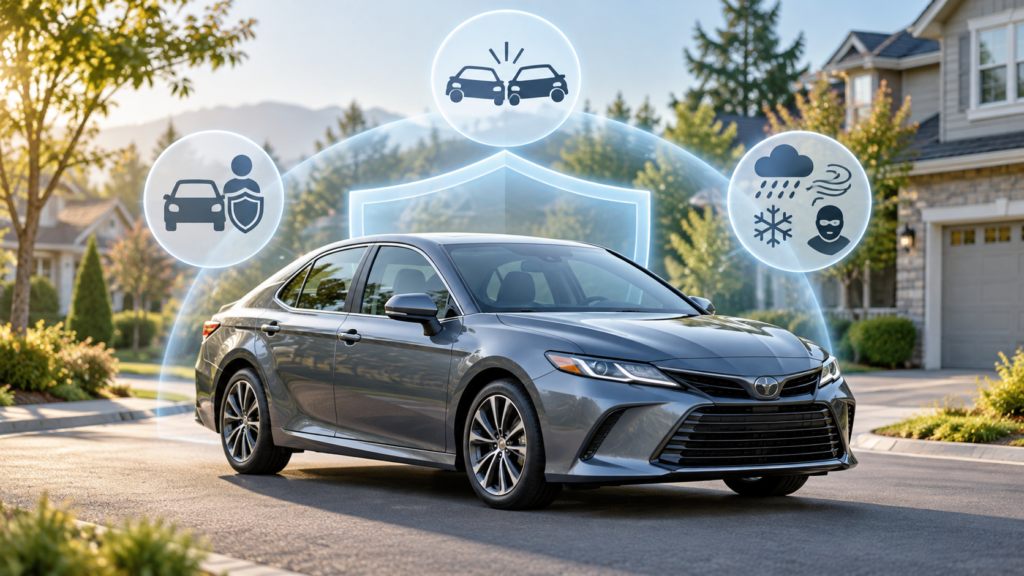
What Does Full Coverage Auto Insurance Actually Cover?
Full coverage auto insurance is not an official insurance policy. Instead, it is a term commonly used to describe a combination of coverages that provide broader protection than the minimum insurance required by state law.
In most cases, full coverage includes:
• Liability Insurance
• Collision Coverage
• Comprehensive Coverage
While these coverages protect against many common accidents and losses, they do not cover every situation. Understanding what is and isn’t included can help you choose the right protection for your needs.
What Does Full Coverage Auto Insurance Include?
Although insurance companies may define “full coverage” slightly differently, it generally refers to a combination of liability, collision, and comprehensive coverage that work together to provide broader financial protection.
Liability Insurance
Liability insurance pays for injuries and property damage you cause to other people if you’re responsible for an accident. It is required in almost every state and is the foundation of every auto insurance policy. However, liability coverage does not pay to repair or replace your own vehicle after an accident.
Collision Coverage
Collision coverage pays to repair or replace your own vehicle after an accident, regardless of who was at fault. Whether you hit another vehicle, a guardrail, a tree, or another object, collision coverage helps pay to repair or replace your vehicle after you pay your deductible. If you finance or lease your vehicle, lenders typically require collision coverage.
Comprehensive Coverage
Comprehensive coverage pays for damage to your vehicle caused by events other than a collision. This includes theft, vandalism, fire, hail, flooding, falling trees, broken windshields, and collisions with animals. Like collision coverage, you’ll usually pay your deductible before your insurance company pays the remaining repair costs.
What Doesn’t Full Coverage Auto Insurance Cover?
When asking what does full coverage auto insurance actually cover, it is equally important to understand what may be excluded. There are several common situations and expenses that standard full coverage auto insurance typically does not pay for unless you’ve purchased optional coverages or endorsements.
- Normal wear and tear
- Mechanical breakdowns
- Routine maintenance
- Personal belongings stolen from your vehicle
- Intentional damage
- Commercial use (unless covered)
- Rental reimbursement (unless added)
- Roadside assistance (unless added)
Coverage details and exclusions can vary by insurer and policy. For additional information about auto insurance coverage, visit the NAIC auto insurance consumer guide.
Do I Need Full Coverage Auto Insurance?
When considering what does full coverage auto insurance actually cover, it’s also important to decide whether this level of protection makes sense for your vehicle. Since collision and comprehensive coverage help pay to repair or replace your own vehicle after many types of accidents or covered events, they can reduce your out-of-pocket costs after a loss.
However, if you drive an older vehicle with a low market value, the cost of full coverage may eventually outweigh the value of the protection it provides. In that case, it may make sense to compare the annual premium with your vehicle’s current value before deciding whether to keep full coverage.
Full coverage is usually recommended if:
- Your vehicle is financed or leased
- Your car is relatively new
- Your vehicle has a high market value
- You want greater financial protection after an accident
You may consider dropping full coverage if:
- Your vehicle has a low market value
- You could afford to replace the vehicle yourself
- Your annual premium is close to your vehicle’s current value
- Your lender no longer requires collision and comprehensive coverage
How Much Does Full Coverage Auto Insurance Cost?
Full coverage auto insurance costs vary from driver to driver. Your premium depends on factors such as your age, driving history, location, vehicle, coverage limits, deductible, and the insurance company you choose. Because every situation is different, there is no single price that applies to everyone.
Instead of focusing only on the cheapest policy, compare quotes from several insurance companies to find the best combination of price, coverage, discounts, and customer service.
Factors That Affect Full Coverage Insurance Rates
- Age
- Driving history
- Vehicle make and model
- ZIP code
- Annual mileage
- Coverage limits
- Deductible amount
- Claims history
- Available discounts
How to Save Money on Full Coverage Auto Insurance
When considering what does full coverage auto insurance actually cover, cost is also an important factor for many drivers. Many drivers qualify for discounts or can lower their premiums without sacrificing important protection. Comparing quotes and reviewing your coverage regularly can help you find better value.
Compare Quotes From Multiple Insurance Companies
Insurance companies calculate premiums differently, so rates for the exact same coverage can vary significantly. Shopping around every year or two can help you find better pricing.
Increase Your Deductible
Choosing a higher deductible usually lowers your monthly premium. Just make sure you could comfortably afford the deductible if you ever need to file a claim.
Bundle Your Policies
Many insurers offer discounts when you purchase multiple policies, such as auto and homeowners or renters insurance.
Maintain a Clean Driving Record
Safe drivers generally qualify for lower premiums. Avoiding accidents and traffic violations can help keep insurance costs down over time.
Ask About Available Discounts
Depending on the insurance company, you may qualify for discounts for good students, defensive driving courses, anti-theft devices, paperless billing, automatic payments, or insuring multiple vehicles.
Frequently Asked Questions About Full Coverage Auto Insurance
Is full coverage auto insurance required by law?
When asking what does full coverage auto insurance actually cover, it is important to remember that full coverage itself is generally not required by state law. State laws typically require certain types of liability coverage, while collision and comprehensive coverage are usually optional unless your lender or leasing company requires them.
Does full coverage cover engine failure?
No. Mechanical failures caused by wear and tear or breakdowns are generally not covered by standard full coverage auto insurance. A vehicle service contract or manufacturer’s warranty may provide protection instead.
Does full coverage cover windshield replacement?
Often yes, if the damage is caused by a covered comprehensive claim. However, your deductible and state laws may affect whether you pay anything out of pocket.
Does full coverage include roadside assistance?
Not automatically. Roadside assistance is typically an optional endorsement that can be added to your policy.
Does full coverage include rental car reimbursement?
Usually not. Rental reimbursement is commonly available as an optional coverage that can be added for an additional premium.
Is full coverage worth it for an older car?
It depends on the vehicle’s value. If your annual premium approaches the value of your vehicle, it may make financial sense to carry only liability coverage.
Final Thoughts
Understanding what does full coverage auto insurance actually cover can help you decide whether this level of protection is right for you. Full coverage auto insurance can provide valuable financial protection after accidents, theft, vandalism, weather damage, and many other covered events. However, it doesn’t cover every situation, so understanding exactly what your policy includes is important.
Before purchasing or renewing your policy, compare quotes from multiple insurance companies, review your deductible, and make sure you’re only paying for the coverage you actually need. Taking a few minutes to compare options can help you find coverage that better fits your needs and budget.
Get a Free Auto Insurance Coverage Review
Not sure which coverage is right for you? Our free coverage review helps you make a more informed decision. We’ll explain your options, answer your questions, and help you avoid paying for coverage you don’t need.
✅ Compare coverage options
✅ Learn about discounts you may qualify for
✅ Understand exactly what your policy covers
✅ Receive personalized recommendations with no obligation